
BPC‑157: The “Body Protection Compound” for Faster Healing, Stronger Tendons, and a Healthier Gut
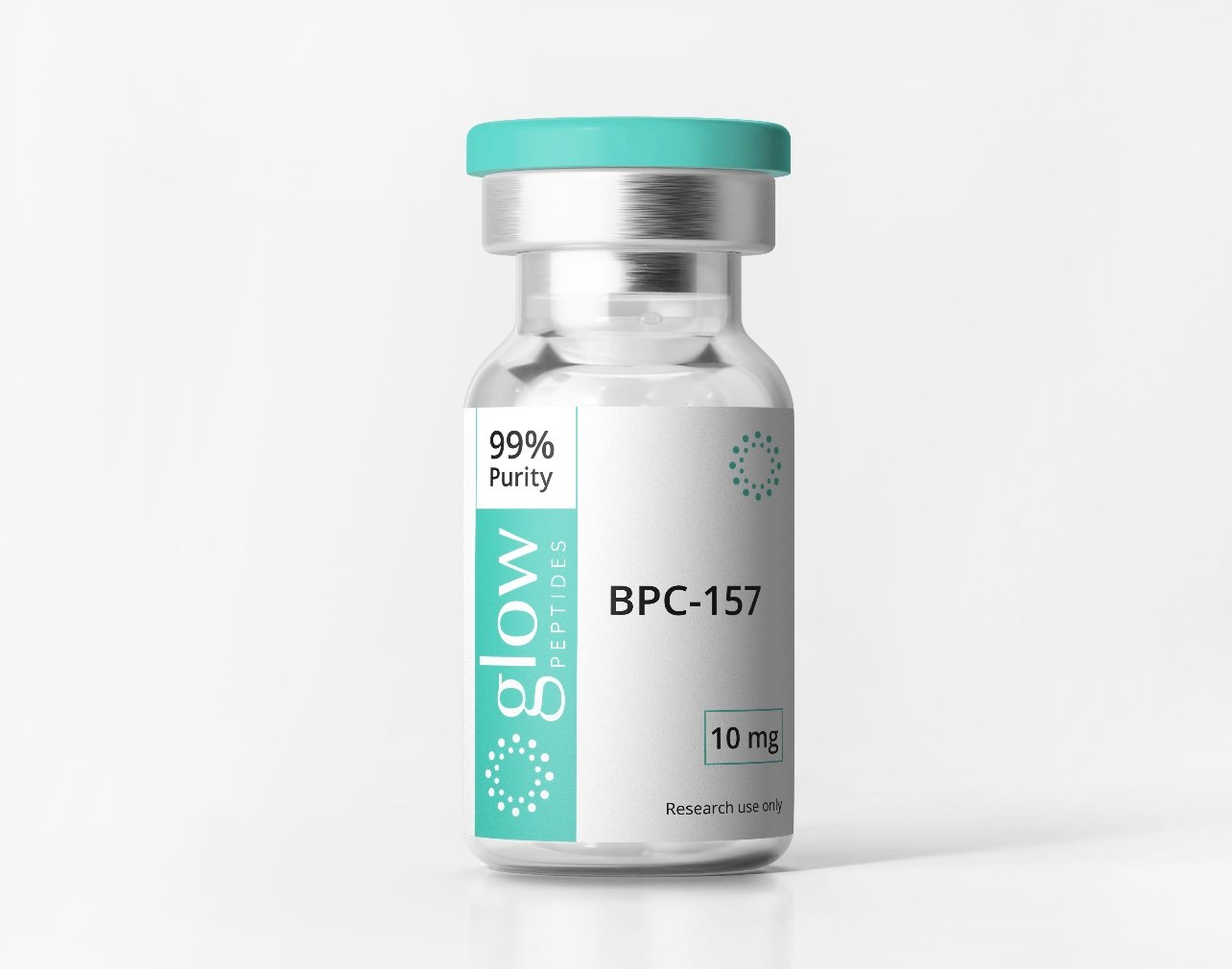
BPC‑157 (Body Protective Compound‑157) is a 15‑amino‑acid peptide derived from a protective protein naturally found in the stomach lining.Furthermore, It has gained a reputation as one of the most powerful healing peptides available, with research and real‑world use supporting its role in accelerating tendon, ligament, muscle, and bone repair, reducing inflammation, and restoring gut integrity. If you’re searching for “BPC‑157 10mg,” you likely already understand that this peptide can be a game‑changer for injury recovery, performance, and long‑term tissue health—and you want clear, expert‑level dosing protocols to maximise results from every vial.
What Is BPC‑157 and Why Does It Matter?
BPC‑157 is a stable gastric Penta decapeptide originally identified in human gastric juice. Unlike many fragile peptides, it remains stable in the presence of enzymes and harsh conditions, which contributes to its effectiveness both orally and via injection.
Key mechanisms include:
- Accelerated tissue repair – upregulates growth factors (e.g., VEGF, FGF), promotes angiogenesis (new blood vessel formation), and enhances collagen deposition and organisation.
- Anti‑inflammatory and cytoprotective effects – modulates inflammatory cytokines, protects cells from oxidative stress, and supports mitochondrial function.
- Tendon and ligament healing – improves fibroblast migration and proliferation, accelerates tendon‑to‑bone healing, and strengthens repaired tissue.
- Gut barrier restoration – heals intestinal mucosa, reduces permeability (“leaky gut”), and supports resolution of IBS, SIBO, and ulcerative conditions.
- Neuroprotective and organ‑protective actions – emerging data suggest benefits for brain, liver, and other organs under stress or injury.
In short, BPC‑157 acts as a systemic “repair signal,” telling your body to prioritise healing where it’s needed most.
Proven Benefits: What the Research and Real‑World Use Show
BPC‑157 is supported by extensive animal research, mechanistic studies, and growing clinical experience in sports medicine, orthopaedics, and functional medicine.
1. Faster Musculoskeletal Healing (Tendons, Ligaments, Muscle, Bone)
- Accelerates healing of transected Achilles tendons, medial collateral ligaments, and quadriceps injuries in animal models, with improved strength and organisation of collagen fibres.
- Enhances muscle regeneration after contusion or strain, reducing scar tissue and improving functional recovery.
- Supports bone healing and fracture repair by promoting osteoblast activity and callus formation.
Athletes, lifters, and weekend warriors commonly use BPC‑157 to:
- Shorten downtime from sprains, strains, tears, and overuse injuries
- Improve the quality of repaired tissue and reduce re‑injury risk
- Return to training sooner and with greater confidence
2. Gut Repair and Digestive Health
- Heals gastric and intestinal ulcers, protects against NSAID‑induced damage, and improves mucosal integrity.
- Reduces intestinal permeability and inflammation in models of IBS, IBD, and SIBO.
- Supports normal motility and reduces visceral pain in functional GI disorders.
For those with chronic bloating, pain, food sensitivities, or “leaky gut,” oral BPC‑157 is often a cornerstone of gut‑healing protocols.
3. Anti‑Inflammatory and Systemic Recovery Support
- Lowers systemic inflammatory markers and oxidative stress, supporting faster recovery from intense training, illness, or surgery.
- Protects liver, kidney, and other organs from toxin‑ and drug‑induced injury in preclinical models.
- May support brain health and recovery after traumatic injury, though human data are still limited.
4. Synergy with Other Healing Peptides
BPC‑157 is frequently stacked with:
- TB‑500 (Thymosin Beta‑4) – for enhanced muscle and tendon repair
- GHK‑Cu – for collagen remodelling and skin/tissue quality
- CJC‑1295 / Ipamorelin – to support growth hormone and overall anabolic environment
These stacks can amplify healing, especially in stubborn or chronic injuries.
BPC‑157 10mg Dosing: Exact Protocols by Goal
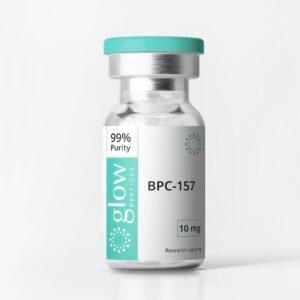
Most users start with a 10 mg vial of lyophilised BPC‑157, reconstituted with bacteriostatic water. This is the most common and cost‑effective size for a full healing cycle.
Below are evidence‑informed, experience‑based protocols for bpc‑157 10mg.
1. Standard Musculoskeletal Healing Protocol (SubQ or Local)
Typical daily dose: 250–500 mcg once or twice daily
Route: Subcutaneous (SubQ) near the injury site or systemically in the abdomen
Cycle: 4–8 weeks on, then 2–4 weeks off (or as needed)
Example 8‑week protocol using a 10 mg vial (reconstituted with 2 mL):
- Final concentration: 10 mg / 2 mL = 5 mg/mL = 5,000 mcg/mL
- Using a U‑100 insulin syringe: 1 unit = 0.01 mL = 50 mcg
- 250 mcg = 5 units
- 500 mcg = 10 units
| Week | Daily Dose (mcg) | Units (per injection) | Frequency | Notes |
|---|---|---|---|---|
| 1–2 | 250 | 5 units | Once daily | Assess tolerance; inject near injury or abdominally |
| 3–8 | 500 | 10 units | Once daily or split 250 mcg twice daily | Increase to 500 mcg/day for stronger healing effect |
At 500 mcg/day, one 10 mg vial lasts 20 days. For an 8‑week (56‑day) cycle, plan on 2–3 vials.
2. Aggressive Healing Protocol (Severe or Chronic Injuries)
For significant tears, post‑surgical recovery, or long‑standing tendon/ligament issues:
- Dose: 500 mcg twice daily (1,000 mcg/day total)
- Route: SubQ or intramuscular (IM) near the injury site when feasible
- Cycle: 6–12 weeks, then reassess
Using the same 2 mL reconstitution (5,000 mcg/mL):
- 500 mcg = 10 units per injection
- Twice daily = 20 units/day → 10 mg vial lasts 10 days
This protocol is more expensive but often justified for major injuries or when rapid return to function is critical.
3. Gut Repair Protocol (Oral BPC‑157)
For IBS, SIBO, leaky gut, ulcers, or NSAID‑related gut damage:
- Dose: 250–500 mcg once or twice daily
- Route: Oral (capsules or liquid), taken on an empty stomach
- Timing: 10–30 minutes before meals or at bedtime
- Cycle: 4–12 weeks, then reassess symptoms and consider maintenance
Many users prefer oral BPC‑157 specifically for gut issues, as it acts directly on the intestinal mucosa. Some combine oral (for gut) with SubQ (for systemic or local injury support).
4. Beginner vs. Intermediate vs. Advanced Dosing Tiers
To make bpc‑157 10mg dosing simple, many protocols are tiered by experience and injury severity:
- Beginner: 250 mcg once daily for 2–4 weeks (mild strains, prevention, first‑time users)
- Intermediate: 500 mcg once daily for 4–8 weeks (moderate injuries, tendonitis, post‑surgery support)
- Advanced: 500 mcg twice daily for 6–12 weeks (severe tears, chronic non‑healing injuries, high‑level athletes)
If you’re new to BPC‑157, starting at 250 mcg/day allows you to assess tolerance and response before committing to higher doses.
Reconstitution and Practical Dosing Tips for BPC‑157 10mg
BPC‑157 is typically supplied as a lyophilised (freeze‑dried) powder in 10 mg vials.
Step‑by‑step reconstitution (standard 2 mL protocol):
- Allow both the peptide vial and bacteriostatic water to reach room temperature.
- Wipe the rubber stopper with an alcohol swab.
- Draw 2 mL of bacteriostatic water into a sterile syringe.
- Slowly inject the water down the inside wall of the vial (do not spray directly onto the powder).
- Gently swirl (never shake) until the powder is completely dissolved (1–2 minutes). The solution should be clear.
- Label the vial with concentration (e.g., “5 mg/mL”) and date.
Using a U‑100 insulin syringe:
- Concentration: 10 mg / 2 mL = 5 mg/mL = 5,000 mcg/mL
- 1 unit = 0.01 mL = 50 mcg
- 250 mcg = 5 units
- 500 mcg = 10 units
- 750 mcg = 15 units
Storage:
- Store unopened vials as directed (often refrigerated, protected from light).
- Once reconstituted, keep refrigerated and use within 28 days (some sources say up to 4–6 weeks if properly stored).
Injection technique (SubQ):
- Pinch about an inch of skin between thumb and forefinger.
- Insert the needle at a 45–90° angle (90° is fine with short insulin needles).
- Press the plunger slowly and steadily; withdraw and apply gentle pressure.
- Rotate sites to avoid irritation.
For local injury injections, many users inject SubQ directly over or near the injured tendon, ligament, or muscle. Also, IM injections are also used by some practitioners for deeper lesions.
Safety, Side Effects, and Who Should Be Cautious when using BPC-157 10mg
BPC‑157 is generally well tolerated in available studies and widespread off‑label use.
- Common side effects: Mild injection‑site redness or bruising; occasional nausea or headache (more common with oral use).
- Systemic effects: No consistent pattern of serious adverse events in animal studies; human safety data are still limited.
- Cancer considerations: Theoretical concerns exist about angiogenesis and growth factor upregulation in people with active malignancy; most clinicians advise caution or avoidance in those with current or recent cancer.
Contraindications and cautions:
- Pregnancy and breastfeeding: insufficient safety data; avoid unless specifically advised by a qualified clinician.
- Active cancer or history of aggressive malignancy: discuss thoroughly with your oncologist before use.
- Severe liver or kidney disease: use only under medical supervision.
As of 2026, BPC‑157 is not FDA‑approved for any indication and is sold as a research compound; human use is off‑label and should be guided by a knowledgeable provider.
How to Maximise Results with BPC‑157 10mg
To get the most out of your BPC‑157 protocol:
- Target the injury: For local issues, inject SubQ near (or, if trained, IM into) the affected area; for gut or systemic use, inject abdominally or take orally.
- Combine with smart rehab: Use BPC‑157 alongside appropriate loading, physiotherapy, and movement progressions—not as a substitute for proper rehab.
- Stack strategically: Consider stacking with TB‑500 for muscle/tendon repair, GHK‑Cu for collagen quality, and CJC/Ipamorelin for GH support.
- Support with nutrition: Ensure adequate protein (1.6–2.2 g/kg/day), vitamin C, zinc, and collagen/gelatin to fuel tissue repair.
- Cycle intelligently: Run 4–12 week cycles depending on injury severity, then take 2–4 weeks off to assess progress and ongoing need.
Why BPC‑157 10mg Belongs in Your Recovery and Performance Stack
If your goals include:
- Faster healing from tendon, ligament, muscle, or bone injuries
- Stronger, more resilient connective tissue and reduced re‑injury risk
- Healed gut lining, reduced bloating, and improved digestion
- Quicker recovery from intense training, surgery, or illness
…then BPC‑157 is one of the highest‑value peptides you can add. Also,It’s uniquely effective for both local and systemic repair, with a strong safety record and flexible dosing options.
Ready to Accelerate Your Healing with BPC‑157 10mg?
Albeit BPC‑157 offers a rare combination: powerful healing mechanisms, versatile delivery (oral, SubQ, local), and practical, cost‑effective dosing from a single 10 mg vial.
To get started:
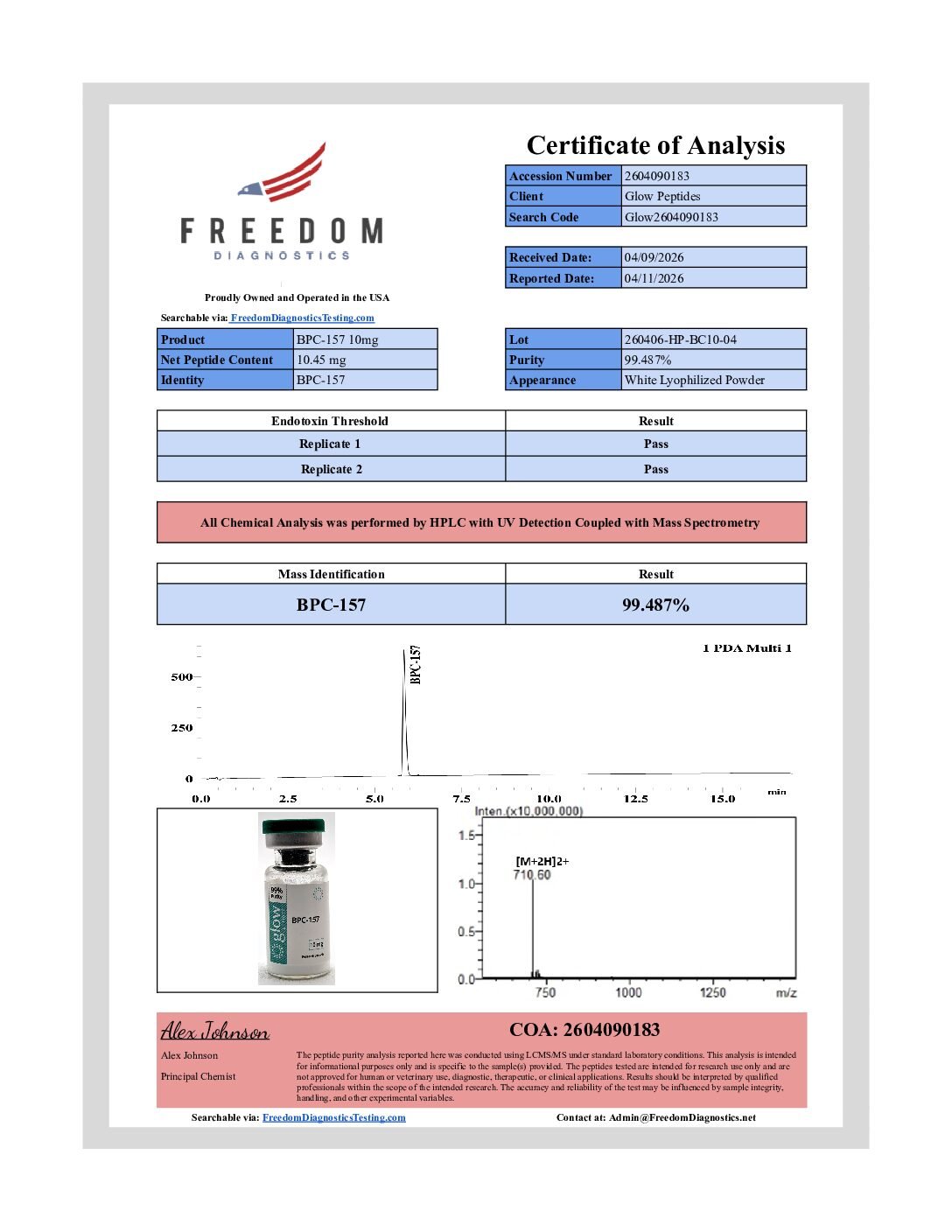
- Choose high‑purity, lab‑verified BPC‑157 10mg from a reputable supplier
- Reconstitute correctly and follow a clear, goal‑based dosing protocol
- Combine with smart rehab, nutrition, and (if appropriate) synergistic peptides
Invest in your tendons, muscles, gut, and long‑term resilience—BPC‑157 10mg is one of the smartest moves you can make for your body’s ability to heal and perform.

Reviews
There are no reviews yet.