
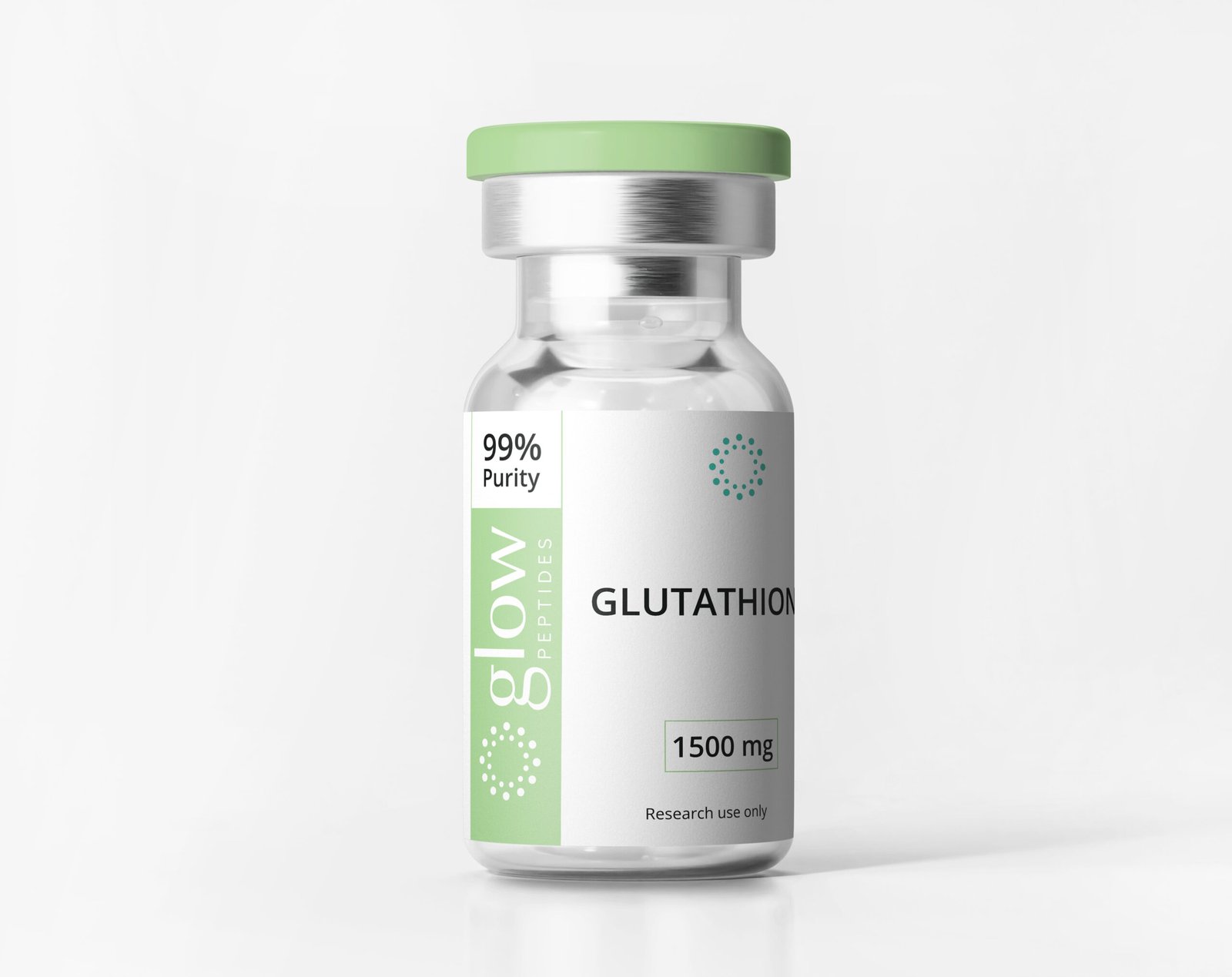
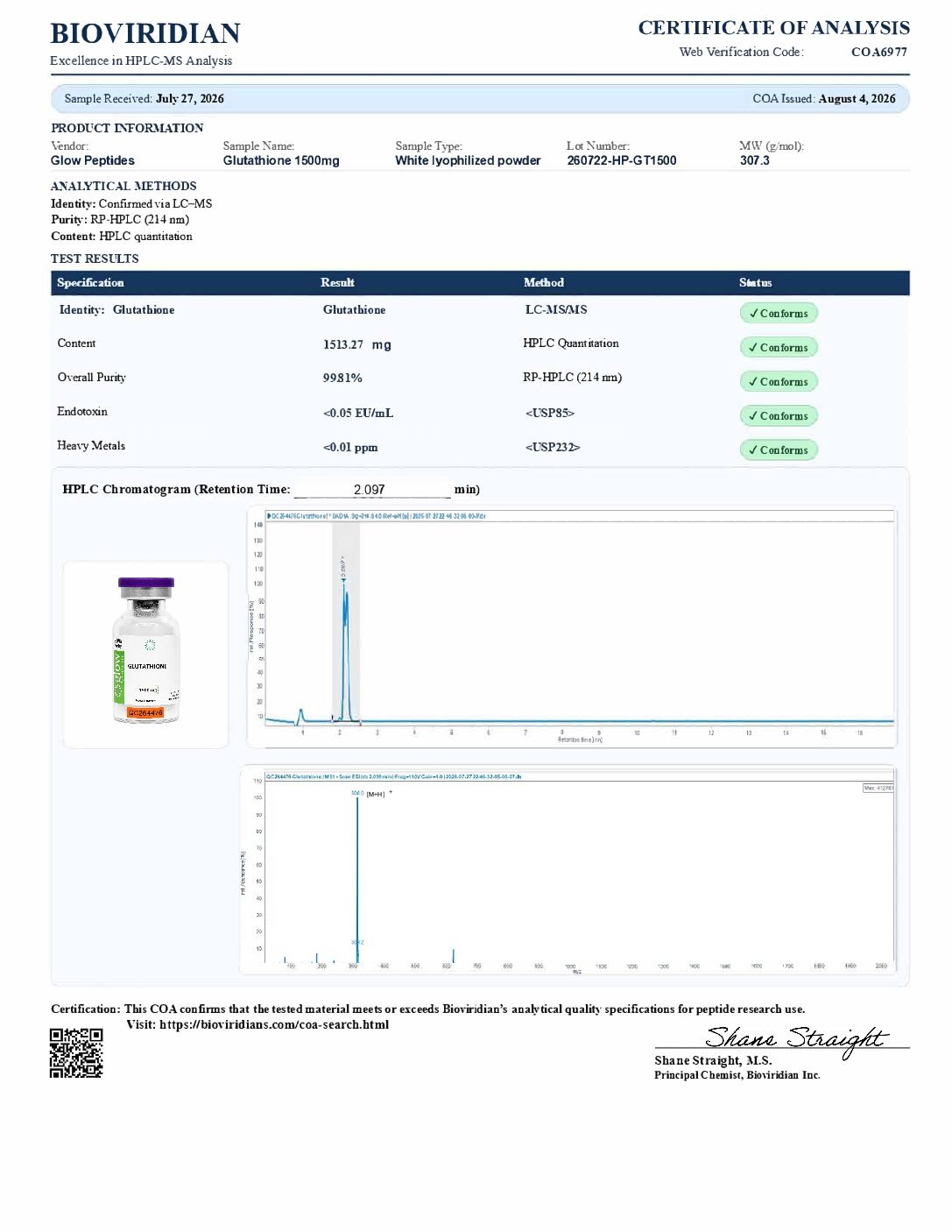
Glutathione: The Master Antioxidant for Detox, Energy, and Whole‑Body Protection
Glutathione (GSH) is a tripeptide made of glycine, cysteine, and glutamate, present in virtually every cell. Often called the “master antioxidant,” it neutralises free radicals, regenerates other antioxidants (vitamins C and E), drives phase II liver detoxification, and supports immune function, mitochondrial health, and healthy aging. If you’re exploring the advantages of glutathione, you’re looking for a powerful, evidence‑backed way to boost detox, improve energy and skin quality, and protect your body from the oxidative stress that drives fatigue, inflammation, and chronic disease.
What Is Glutathione and Why Does It Matter?
Glutathione is the body’s primary intracellular antioxidant and detoxifier. It exists in two forms:
- Reduced glutathione (GSH) – the active, antioxidant form
- Oxidized glutathione (GSSG) – the “spent” form after neutralising free radicals
A high GSH:GSSG ratio is a hallmark of cellular health and resilience; a low ratio signals oxidative stress and increased disease risk.
Glutathione’s core roles include:
- Direct scavenging of reactive oxygen and nitrogen species – protects DNA, proteins, and lipids from damage.
- Regeneration of vitamins C and E – recycles other antioxidants, amplifying their protective effects.
- Phase II liver detoxification – conjugates toxins, heavy metals, pollutants, and drug metabolites for excretion via urine or bile.
- Immune modulation – supports lymphocyte function, cytokine balance, and overall immune resilience.
- Mitochondrial support – preserves energy production and reduces fatigue at the cellular level.
As we age or face chronic stress, illness, toxin exposure, or poor nutrition, glutathione levels decline—contributing to fatigue, slower recovery, dull skin, and higher disease risk.
Key Advantages of Glutathione
Research and clinical experience highlight several major advantages of glutathione:
1. Potent Antioxidant and Anti‑Aging Protection
- Neutralises free radicals and reduces oxidative damage linked to aging, cardiovascular disease, neurodegeneration, and cancer.
- Helps protect skin from UV‑induced damage, supporting a brighter, more even complexion and reducing signs of photoaging.
- Often used in “glow” and anti‑aging protocols for its ability to improve skin radiance and reduce oxidative stress systemically.
2. Advanced Liver Detox and Toxin Clearance
- Binds and neutralises toxins, heavy metals (e.g., mercury, lead), pollutants, and drug metabolites in the liver.
- Supports phase II detox pathways, reducing the toxic load that contributes to fatigue, brain fog, and inflammation.
- Particularly valuable for people with high environmental exposures, alcohol use, medication burden, or metabolic dysfunction.
3. Immune Support and Infection Defense
- Essential for optimal immune cell function, including T‑cells and natural killer cells.
- Low glutathione is associated with more severe infections and slower recovery; restoring levels can enhance immune resilience.
- Used adjunctively in chronic viral conditions and immune‑compromised states under medical supervision.
4. Energy, Mitochondrial Function, and Recovery
- Protects mitochondria from oxidative damage, supporting ATP production and reducing cellular fatigue.
- Many users report improved energy, mental clarity, and exercise recovery when glutathione status is optimised.
- Especially helpful for those with chronic fatigue, high stress, or post‑illness recovery needs.
5. Skin Brightening and Complexion Support
- Inhibits tyrosinase and shifts melanin production toward lighter pheomelanin, supporting a brighter, more even skin tone.
- Used in cosmetic and aesthetic protocols for skin lightening, reduction of hyperpigmentation, and overall radiance.
- Works best as part of a comprehensive plan including sun protection, nutrition, and topical actives.
6. Metabolic and Cardiovascular Support
- Improves insulin sensitivity and supports healthy glucose metabolism in some studies.
- Reduces oxidative modification of LDL and supports endothelial function, important for cardiovascular health.
- May aid weight management indirectly by supporting liver detox, mitochondrial function, and metabolic efficiency.
Glutathione Dosing: Exact Protocols by Route and Goal
Oral non‑liposomal glutathione is poorly absorbed; most of it is broken down in the gut. For meaningful systemic effects, the most effective delivery methods are:
- Liposomal or sublingual oral
- Intravenous (IV)
- Intramuscular (IM) or subcutaneous (SC) injection
- Intranasal (emerging, less common)
Below are evidence‑informed, experience‑based protocols.
1. Liposomal or Sublingual Oral Glutathione (Daily Wellness, Detox, Anti‑Aging)
Typical dosing ranges:
- Starter / Low: 100–250 mg once daily for 1–2 weeks to assess tolerance
- Standard: 500 mg once daily (most common dose in trials)
- Aggressive / Advanced: 500–1,000 mg twice daily, under practitioner guidance for chronic illness or high oxidative stress
Cycle recommendations:
- Loading phase: 4–12 weeks of daily dosing (e.g., 500 mg/day)
- Maintenance: 200–500 mg/day or 5 days on / 2 days off
- Take on an empty stomach, ideally in the morning, 10–30 minutes before food.
For liquids, hold under the tongue for 30–90 seconds before swallowing to enhance absorption.
2. Intravenous (IV) Glutathione (Detox, Neurologic Support, Skin Brightening)
IV glutathione bypasses the gut entirely, achieving the highest plasma levels.
Common protocols:
- Dose: 600–1,400 mg per session
- Frequency: 1–3 times per week
- Cycle: 4–8 weeks, then reassess; some protocols use weekly or biweekly maintenance
Typical technique:
- Slow IV push or short infusion over 10–20 minutes via a 20–22G catheter, followed by a saline flush.
- Pre‑infusion: check blood pressure and heart rate; monitor for any hypersensitivity.
IV glutathione is often used in:
- Heavy detox protocols (heavy metals, environmental toxins)
- Neurologic conditions (e.g., Parkinson’s research)
- Adjunctive cancer care (chemotherapy neuropathy prevention, under oncology supervision)
- Aggressive skin‑brightening programs in aesthetic clinics
3. Intramuscular (IM) and Subcutaneous (SC) Injectable Glutathione
Injectable glutathione offers a practical middle ground between oral and IV.
IM protocol:
- Dose: 200 mg (e.g., 1 mL of 200 mg/mL solution)
- Frequency: 1–2 times per week
- Sites: Deltoid, ventrogluteal (hip), or vastus lateralis (thigh); rotate weekly
SC protocol:
- Dose: 100 mg (e.g., 0.5 mL of 200 mg/mL solution)
- Frequency: Every 48 hours or 3–4 times per week
- Sites: Abdomen or thigh, rotating injection points
Typical 8‑week injectable cycle:
- Weeks 1–2: 100 mg daily or every other day SC to assess tolerance
- Weeks 3–8: 150–200 mg daily or every other day SC, or 200 mg IM 1–2×/week
- Maintenance (optional): 100–200 mg 1–2×/week or switch to oral liposomal
Injectable glutathione is popular for:
- Systemic antioxidant and detox support
- Energy and recovery enhancement
- Skin brightening and anti‑aging, especially when combined with vitamin C infusions
4. Intranasal Glutathione (Emerging, Less Common)
Some protocols use intranasal glutathione for direct CNS and upper‑respiratory support, especially in neurologic and pulmonary research. Dosing varies widely (e.g., 50–200 mg per day split between nostrils), but this route should only be used under specialist guidance due to limited long‑term safety data.
Reconstitution and Practical Dosing Tips (for Injectable Glutathione)
Glutathione for injection is typically supplied as a solution (e.g., 200 mg/mL) or as a lyophilised powder requiring reconstitution.
If using a 600 mg vial (example protocol):
- Reconstitute with appropriate volume of bacteriostatic water or preservative‑free saline per manufacturer instructions.
- Example: 600 mg in 3 mL → 200 mg/mL concentration.
- Using an insulin syringe:
- 0.5 mL (50 units) = 100 mg
- 1.0 mL (100 units) = 200 mg
Storage and handling:
- Store unopened vials as directed (often refrigerated, protected from light).
- Once reconstituted, use within the supplier’s recommended window (commonly 2–4 weeks if refrigerated).
- Use sterile technique, 29–31G insulin syringes for SC, and 25G 1‑inch needles for IM when appropriate.
Safety, Side Effects, and Who Should Be Cautious
Glutathione is naturally produced in the body and is generally well tolerated at recommended doses.
- Common side effects: Mild bloating, cramping, or loose stools (more common with high oral doses); occasional injection‑site reactions with IM/SC.
- IV‑specific risks: Rare hypersensitivity reactions, flushing, or lightheadedness; requires trained administration and monitoring.
- Long‑term high‑dose concerns: Some clinicians advise against continuous high‑dose use (>2,000 mg/day orally or very frequent high‑dose IV) without breaks, due to theoretical risks of mineral imbalances or feedback suppression of endogenous production.
Contraindications and cautions:
- Pregnancy and breastfeeding: insufficient safety data; avoid unless specifically advised by a qualified clinician.
- Active cancer treatment: discuss with your oncologist; glutathione may interact with certain chemotherapy or radiation protocols.
- Severe asthma or sulfite sensitivity: use with caution and medical supervision.
Always consult a knowledgeable healthcare provider before starting high‑dose or injectable glutathione, especially if you have chronic illness or take multiple medications.
How to Maximize the Advantages of Glutathione
To get the most out of your glutathione protocol:
- Combine with cofactors: NAC (N‑acetylcysteine), selenium, alpha‑lipoic acid, and vitamins C and E support glutathione recycling and synthesis.
- Support liver detox: Prioritise hydration, fibre, cruciferous vegetables, and adequate protein (glycine, cysteine, methionine).
- Reduce oxidative stress: Limit alcohol, smoking, excessive sugar, and environmental toxin exposure where possible.
- Monitor progress: Track energy, mental clarity, skin quality, recovery, and—if available—oxidative stress markers (e.g., GSH:GSSG ratio, urinary 8‑OHdG).
- Cycle intelligently: Use loading phases (4–12 weeks) followed by maintenance or breaks to avoid over‑supplementation and assess ongoing need.
Advantages of Glutathione and Why it Belongs in Your Detox and Longevity Stack
If your goals include:
- Powerful systemic antioxidant protection against aging and chronic disease
- Advanced liver detox and heavy‑metal/toxin clearance
- Improved energy, mental clarity, and recovery
- Brighter, more even skin tone and reduced oxidative skin damage
- Stronger immune resilience and metabolic health
…then glutathione is one of the highest‑value compounds you can add. It’s uniquely comprehensive: part detox agent, part anti‑aging shield, part immune and mitochondrial supporter.
Ready to Unlock the Advantages of Glutathione?
Glutathione offers a rare combination: central role in human biology, broad, multi‑system benefits, and flexible delivery options (oral liposomal, IV, injectable) to match your goals and budget.
To get started:
- Choose high‑quality, lab‑verified glutathione from a reputable supplier
- Select a delivery method and dose aligned with your goals (wellness, detox, skin, neurologic support)
- Cycle intelligently, support with cofactors, and monitor your response
Invest in your cells, your liver, your energy, and your long‑term health—glutathione is one of the smartest moves you can make today.


Reviews
There are no reviews yet.